
In a World of AI Voices, What Still Makes Audiobooks Human?
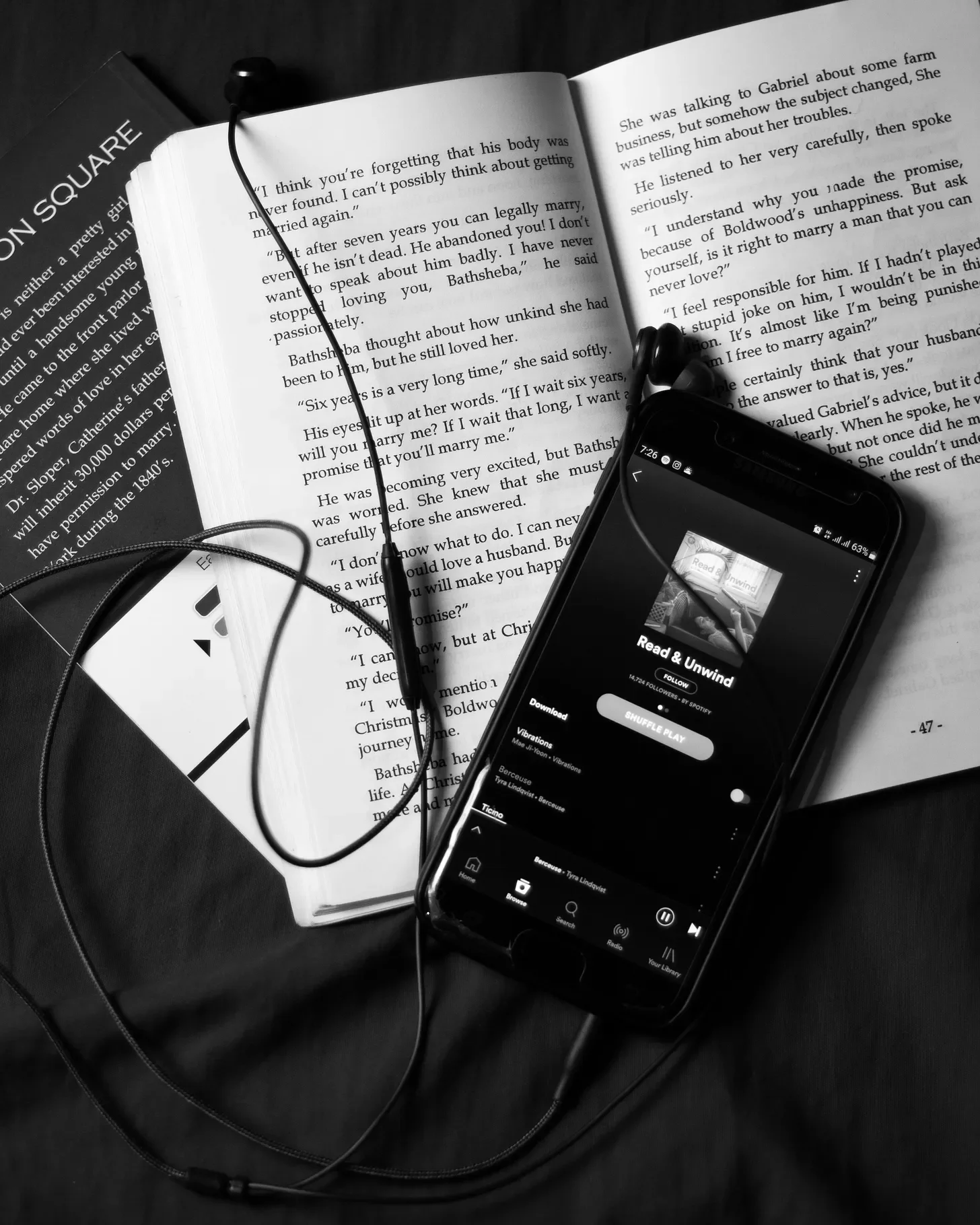
Photo by Dhaya Eddine Bentaleb on Unsplash
The voice that changed the story
In the early 90’s, I lived in a town just outside of the Dallas/Fort Worth, Texas area called Bedford. I was in middle school at the time and going through one of those torturous phases of my life where I didn’t fit in and didn’t have many friends. Going to Harwood Junior High was never the highlight of my day, in part, because I was sort of the new kid and well, teens are teens and most are assholes. (if I’m being honest) There were only a few things that I enjoyed while going there: my small friend base, my status as first chair oboist in the symphonic band, and Mrs. Donnelly—the English and Yearbook instructor.
Mrs. Donnelly was a tough teacher, yet there was something about her I adored. She had perfectly coiffed white hair, wore long broom skirts, donned lavender framed glasses, and her handwriting was gorgeous. (much of my own cursive handwriting is inspired by hers, especially the way she wrote out her “f”) Like many English teachers, she wanted us to fall in love with reading. Instead of having us trek down to the library and pick a book for a book report, she decided to read aloud Goodnight, Mr. Tom by Michelle Magorian. It took an entire semester to get through it and despite her rigid classroom and her strict nature, the way she brought this story to life for me helped me “see” stories in a new way. And while she wasn’t the first one to ever read to me (love you mom, love you grandma), she is the reason I love and appreciate audiobooks.
When I don’t have a physical book in hand, I will listen to audiobooks. I may sometimes even read a physical book while listening to audio. Nostalgia maybe? Who knows. But I do know that a powerful voice can make or break a reader experience.
At the time that I wrote my first book, Deep in the Woods, I knew I wanted to include an audiobook as part of my offering. This was important to me because not only can it help reach a broader group of readers, but it can elevate the story itself. With this in mind, I kept my ear open to the books I listened to, hoping to find just the right voice to match my male main character. On the way home from dropping my youngest off at school one day, that right voice echoed through my car speakers.
His name is Robb Moreira, and the book was That’s Not My Name by Megan Lally. I marinated for months about reaching out to him…what do I say? what will he charge? is he even going to want to work with a small time writer on a gig? Lucky for me, he’s a super chill guy and said yes. He recorded my book somewhere between Frieda McFadden, Rebecca Yarros and James Patterson.
Robb is an award-winning narrator who has done everything from commercials to novels to video games. I recently interviewed him on my podcast to talk about his journey to becoming a voice actor and he shared his insights on audiobooks and tips that any author or narrator can use for their own journey.
Audiobooks are performed, not read
Part of what makes a narrator shine is their ability to interpret the story and deliver the emotion behind the characters. Narrators aren’t just reading words, they are breathing life into the book.
“Audiobook narration isn’t reading — it’s performing the story in a way that earns the listener’s trust.”
Robb’s Pro Tip (for authors and narrators):
Read your manuscript out loud before committing to audio. If the rhythm drags or the emotion feels flat, the issue isn’t the narrator — it’s the pacing on the page.
If you, like me, have a hard time listening to your own voice, I recommend using the accessibility reader, likely installed on your PC or phone. Not only is listening to your manuscript out loud a great way to feel out emotion, it can also help you find errors your eyes may miss.
Behind the interview scenes with Robb!
Just because you can narrate your story, doesn’t mean you should
I did consider recording myself. I found a quiet space in my master closet and set up a mini-recording studio. The single paragraph I recorded took me hours and didn’t do it the justice I knew it deserved. Recording an audiobook requires a different type of skill set. It requires stamina, patience, and lots of hydration.
“If you’re an author narrating your own book, you have to separate the writer brain from the performer brain — and that’s harder than people expect.”
Robb’s Pro Tip (for Authors):
Before deciding to self-narrate, record one full chapter and listen back without editing. If you wouldn’t buy that audiobook, your listeners won’t either.
Keep in mind that audiobooks for some readers are the only form of reading they intake. If the voice behind your story falls flat, it can result in bad reviews.
Why the human voice still matters in a tech-driven industry
There is so much controversy around AI for many different reasons. When it comes to the creative space, AI does not compare to the quality of a human both in voice and in writing. It will never be able to replicate the emotion that a human narrator brings to the mic or the page.
“AI can sound good, but it doesn’t choose why a line lands a certain way. That choice still belongs to humans.”
Robb’s Pro Tip (for Authors and Narrators)
Whether you’re an author or narrator, focus on emotional intention over perfection. Listeners remember how a story felt, not how flawless it sounded.
While AI will likely only expand in time, we humans have control over what we want to consume.
Chatting with Robb reminded me of the value and importance behind storytelling. The voice behind the story doesn’t have to be polished or loud. It can be you with your mic or maybe you bring on a new narrator who is trying to make a name for themselves. As long as the voice understands the story, you can serve it well.
As I set out for a new narrator on my next project, I’ll be looking for the next right voice for my all female cast of characters—the one that can understand my character’s flaws and the emotion behind the plot to bring my story to the next level.
And remember…real human emotion in stories will always win.
About Robb:
Robb Moreira is a Bilingual Voice Actor and audiobook narrator with over a decade of experience behind the microphone. With 7 years of Conservatory Acting training and over 10 years of stage experience, Robb was looking for something different. A chance conversation with a fellow actor changed his theater trajectory to one of voiceover and Robb never looked back.
With over 200 audiobook credits and several voice award nominations (and wins!), Robb continues to venture further into the audiobook world and sees a very busy future in the genre. Keep an eye out for future titles!
https://www.robbmoreiravo.com
Thank you for being here and learning with me!
